
Introducing Timeline View: A Streamlined Way to View Key Lab Testing Data through InContext
This new feature allows users to view a patient's lab testing data in a timeline format, enabling easy identification of data trends over time. View the One Pager here!
Overview
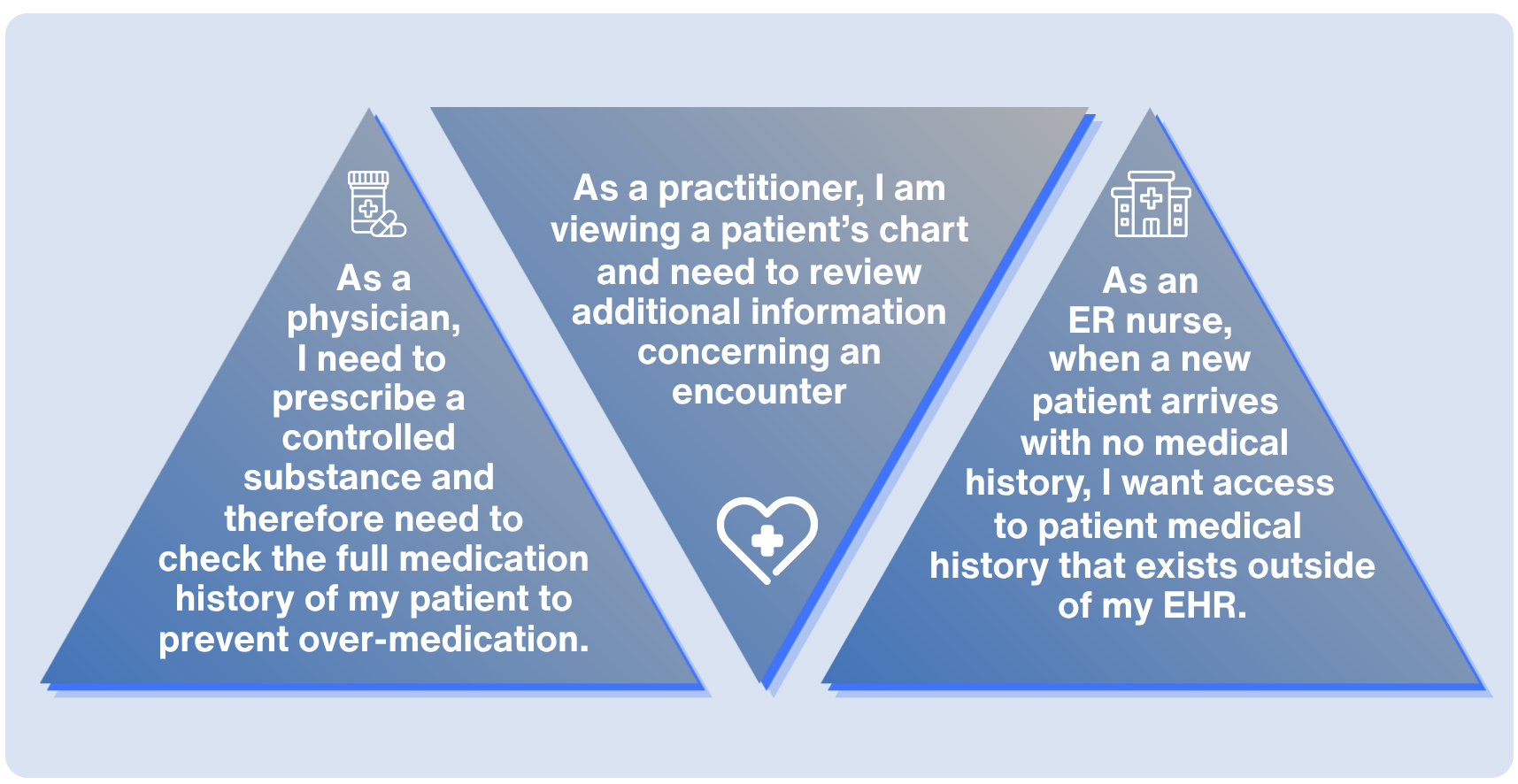
InContext is an application that delivers real-time patient data from the CRISP HIE to support clinical decision-making — providing a comprehensive view of a patient’s health history, including clinical data, care alerts, PDMP data, and public health alerts, drawn from CRISP’s connections to hospitals, ambulatory practices, state data repositories, and national networks.
InContext is available two ways: embedded directly within a provider’s EHR workflow via a SMART on FHIR app, or accessed through the CRISP Portal via the Clinical Information Service. The EHR integration preloads for the current patient without requiring a separate login or additional navigation.
To understand the benefits and differences between Portal and EHR app access, view our Portal vs. InContext one-pager here.
InContext Documents
Key Features
Available Data
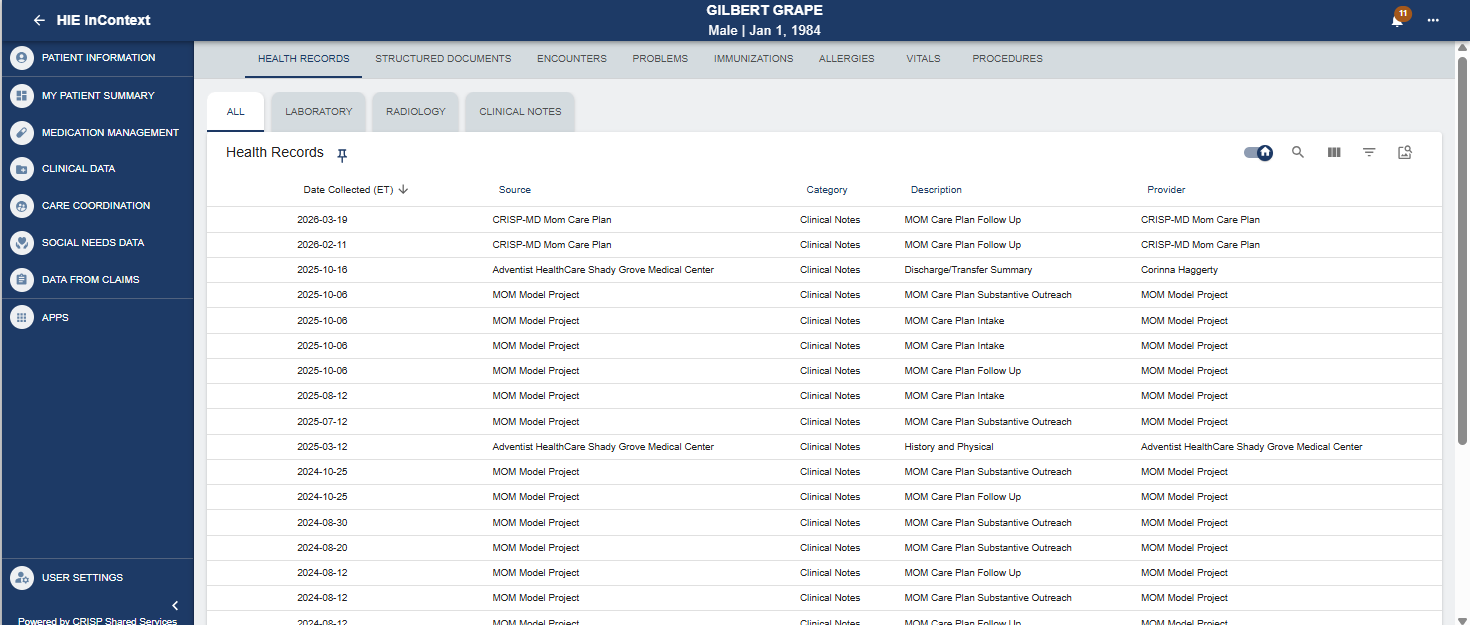
InContext provides access to the full breadth of clinical and non-clinical data CRISP has received on a patient — giving clinicians a comprehensive view without switching between systems. Key data available in the tool includes:
- Laboratory Results
- Encounters
- Radiology Images & Reports
- Clinical Summary Documents (Structured Documents), including parsed tabs for specific data points such as Allergies and Vitals
- Claims Data (Maryland Medicaid, Medicare, and Hospital All-Payer)
- PDMP & Dispensed Medications
- Patient’s Care Team
- Social Determinants of Health (SDOH)
- Immunizations
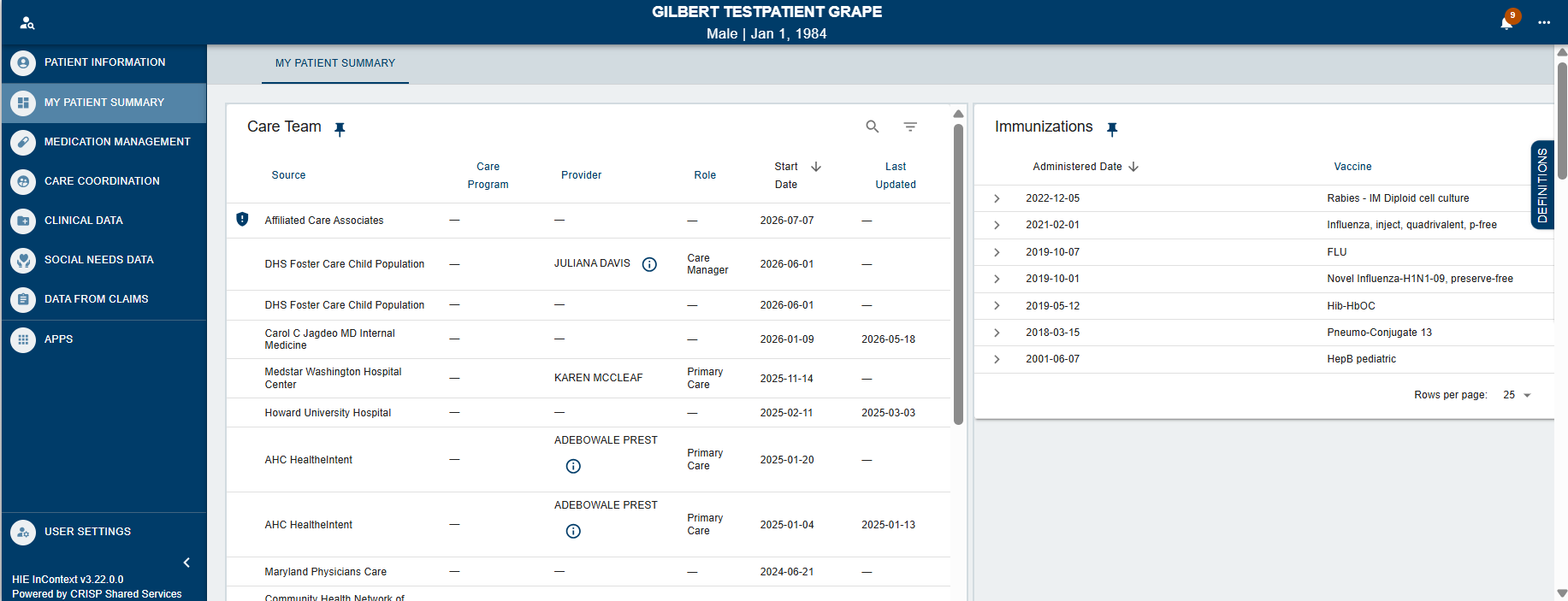
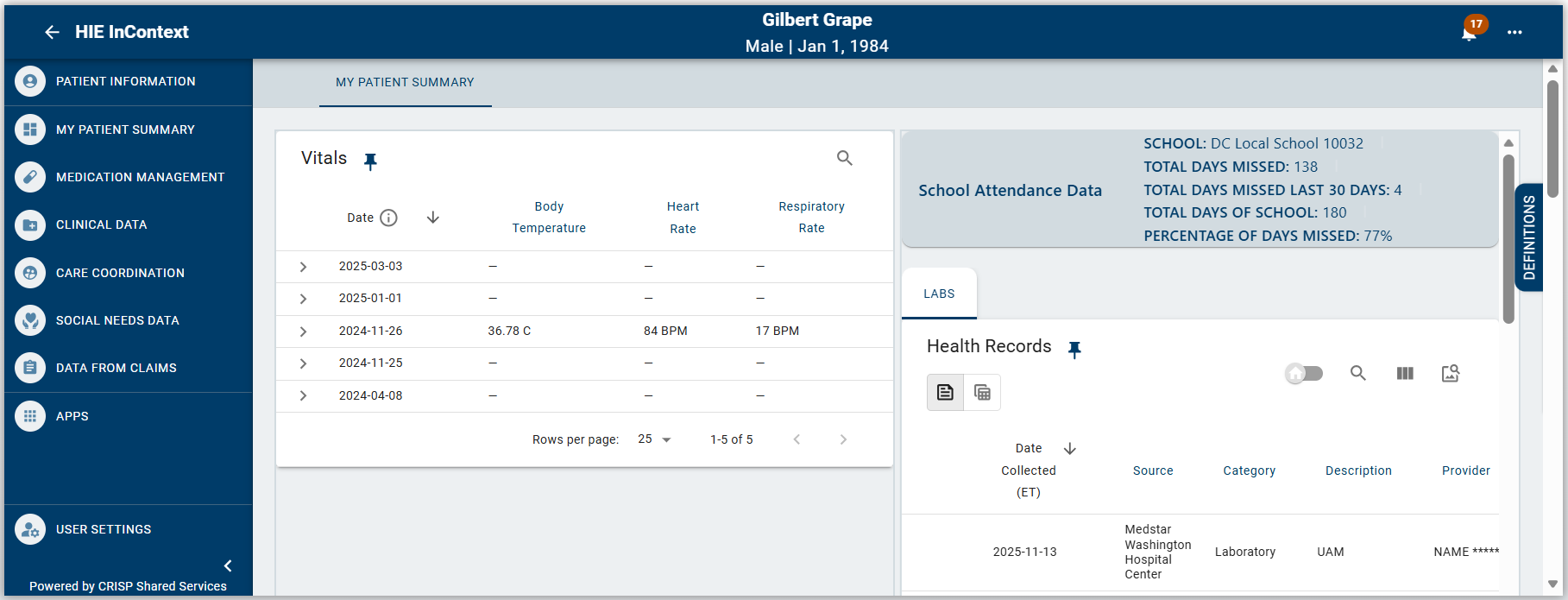
Dashboard: My Patient Summary
Within the InContext application, users can build a customizable dashboard that can be set as the default landing page each time the app is launched. Any data table within the app can be pinned to the My Patient Summary dashboard using the Pin icon that appears to the right of the table’s title. This feature allows for up to 8 pinned tabs or subtabs.
How Does This Help?
- Eliminates repetitive time spent clicking through InContext looking for commonly accessed data
- Improves understanding of patient history by centralizing relevant information.
- Enables customization of the user experience, allowing individual users to tailor their view to their needs.
More information about My Patient Summary is available in the following resources:
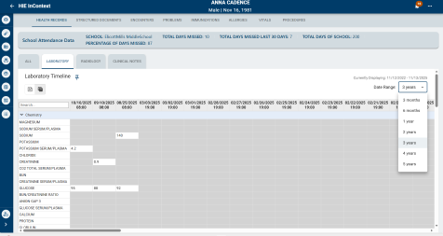
Timeline View for Laboratory Data
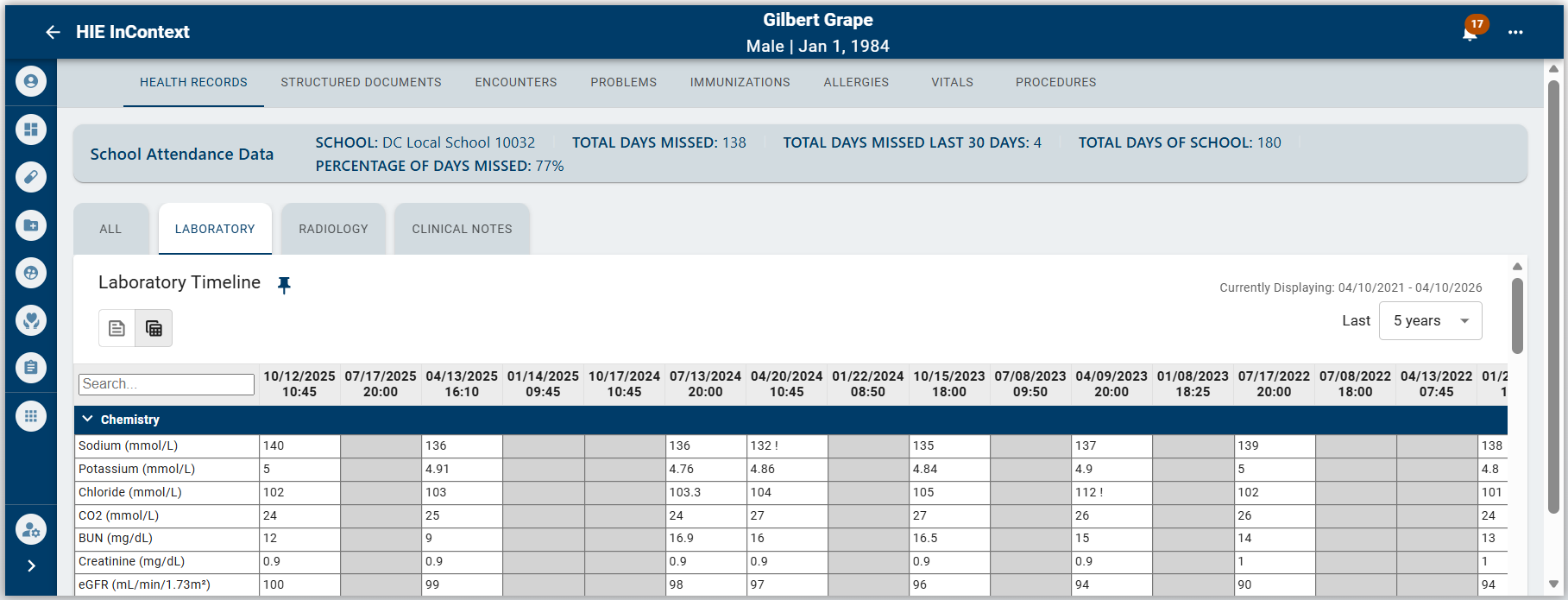
Patient laboratory data is available to view in two different formats: the default list view, and timeline view. In timeline view, users can scroll through a timeline with up to five years of available lab data.
How Does This Help?
- Changes and trends over time are more easily identified when viewing data in a timeline format.
- Users save time spent clicking through pages of data and searching for results in a table.
- Informed decision-making is supported by faster access to relevant data.
Exact Sciences Laboratory Data
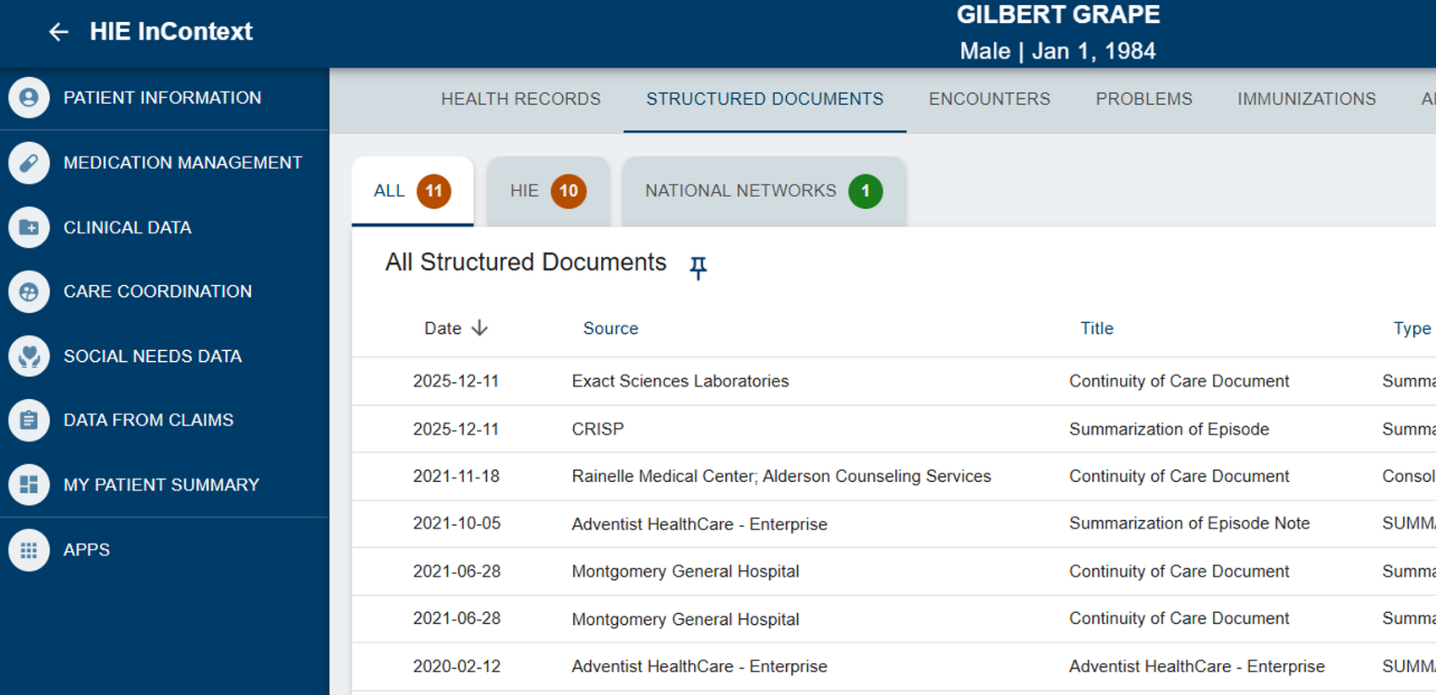
Exact Sciences Laboratories order statuses and results are available in Clinical Information/InContext. This includes the following tests:
- Cologuard
- Cologuard Plus
- Oncoguard Liver test
- Riskguard test
Why This is Important?
- Early detection significantly increases the chances of successful treatment and survival.
- Preventive screenings can reduce healthcare costs by avoiding late-state disease treatment.
- Availability of data to all providers involved in a patient’s care prevents duplication of tests and improves decision-making.
For more information, view our One Pager.
InContext Demo Videos
CRISP My Patient Summary Walkthrough
CRISP InContext Webinar

Contact Us